


WhatsApp:
+8617721334882


产 品 展 示
PRODUCTS
Provide customers with low-priced professional ore products and high-quality and efficient services
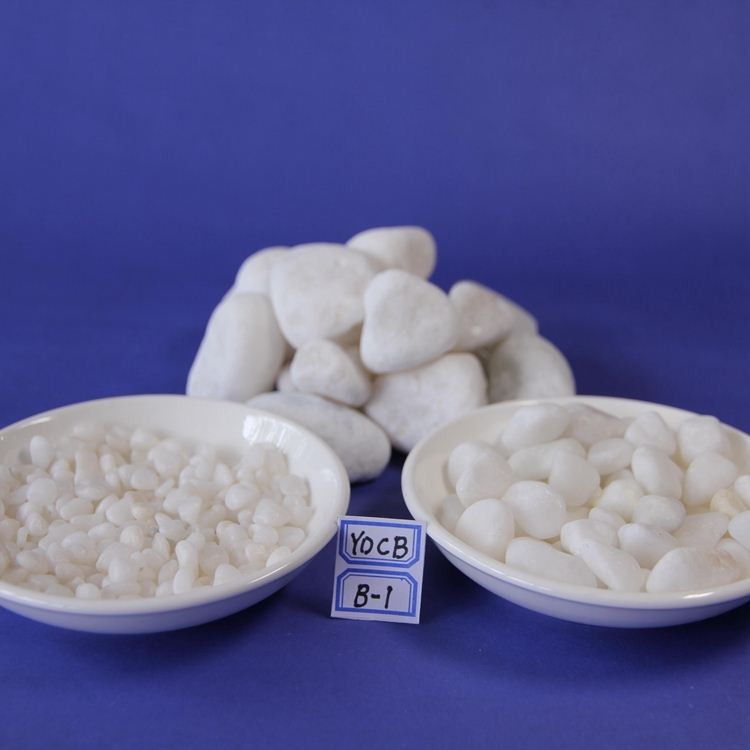
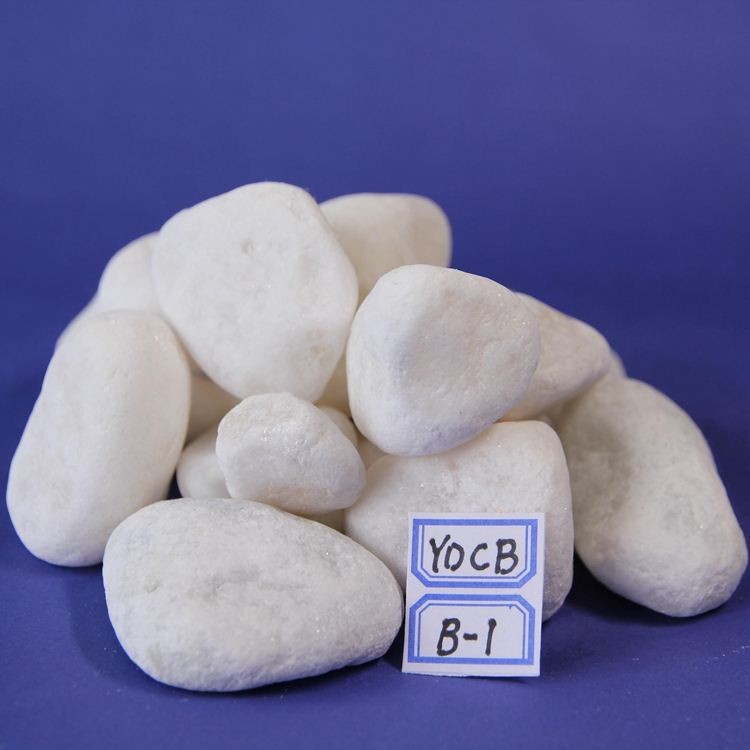
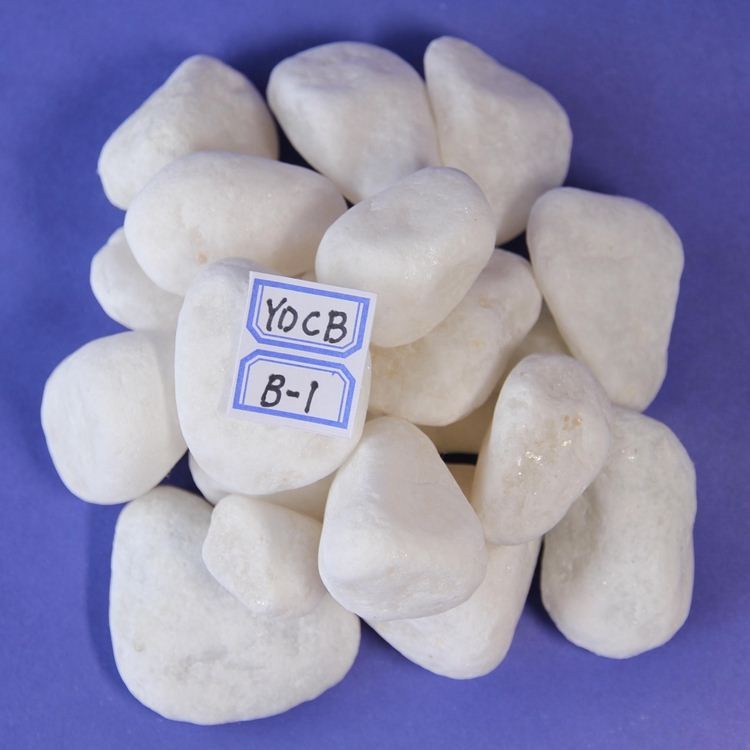
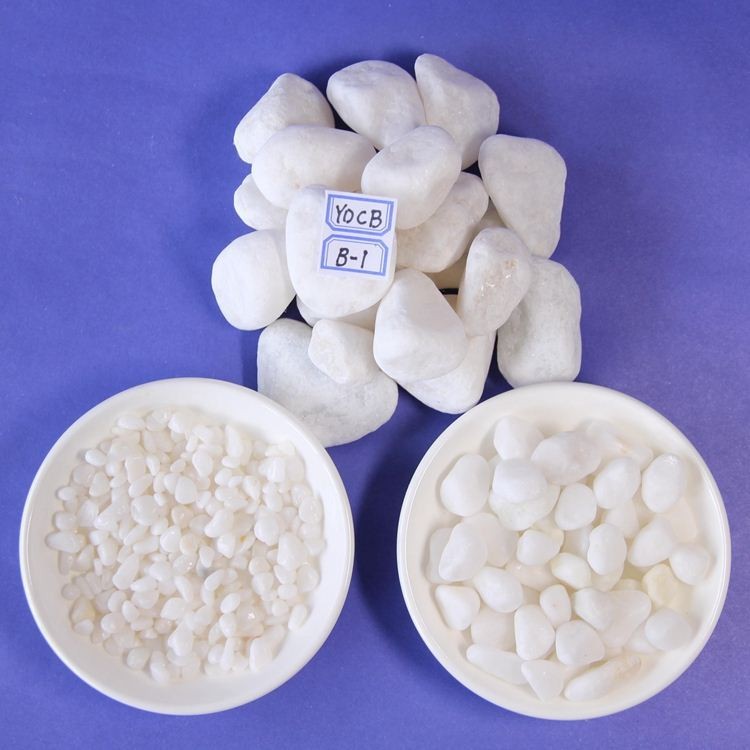
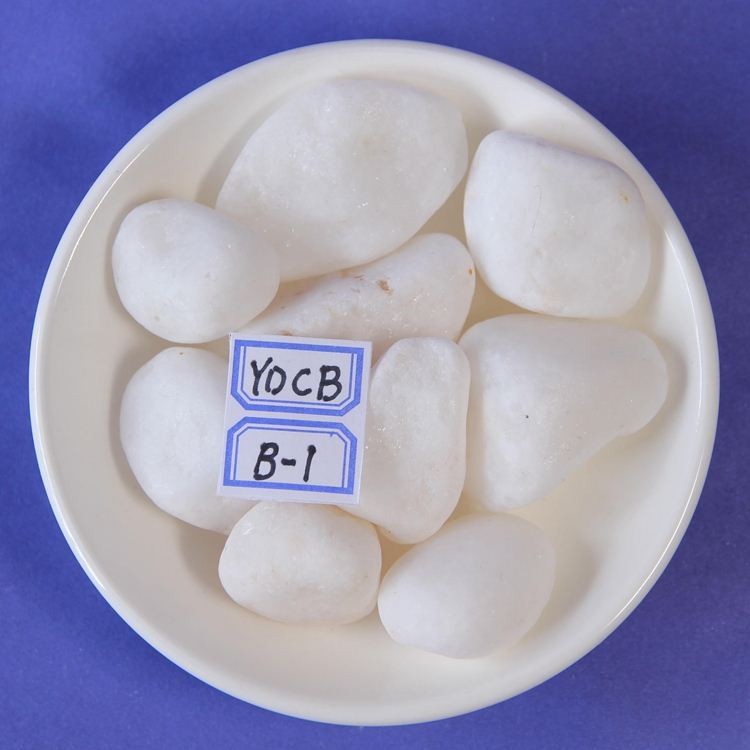
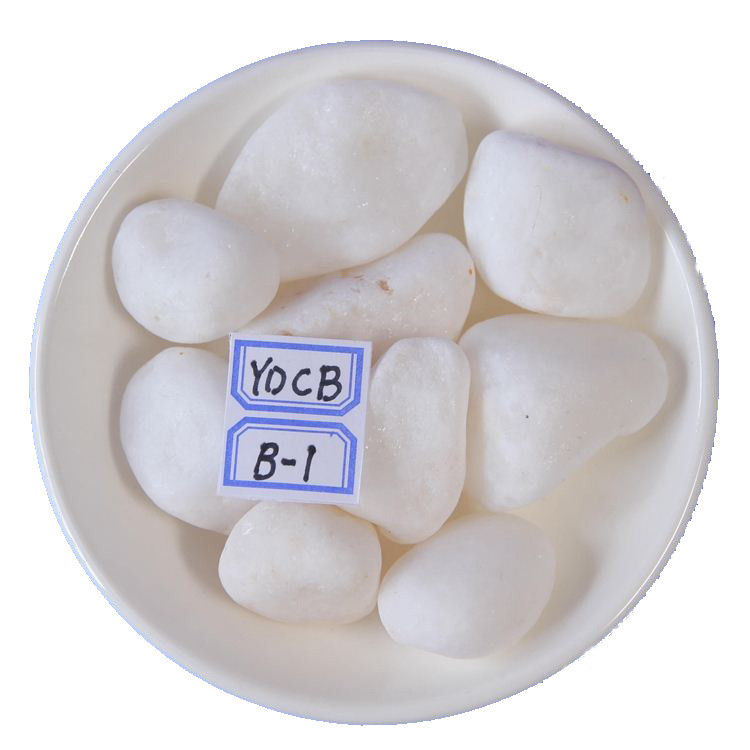
Mechanism Pebble
售价:
¥0.00
Product Details
Pebbles are named after their resemblance to goose eggs. Part of the pebbles are natural stone, mainly composed of silicon dioxide, followed by a small amount of iron oxide and trace amounts of manganese, copper, aluminum, magnesium and other elements and compounds. They themselves have different pigments, such as red for iron, blue for copper, purple for manganese, yellow semi transparent for silica colloidal stone pulp, jade color containing green minerals, and so on; Due to the different types and contents of these pigment ions dissolved in the silica hydrothermal solution, the pebbles exhibit a variety of colors with varying shades, including black, white, yellow, red, dark green, and bluish gray. Widely used in public buildings, villas, courtyard buildings, road paving, park rockeries, bonsai filling materials, garden art, and other superstructures.
Mechanized pebbles are made from natural stone materials that are crushed, ground, washed, and ball milled. Depending on the material, they are further divided into quartzite pebbles, dolomite pebbles, limestone pebbles, etc. Most mechanized pebbles have the characteristics of pure color and good glossiness, and their prices are often higher than natural pebbles.
上一个: Natural pebbles
下一个: Polishing pebbles